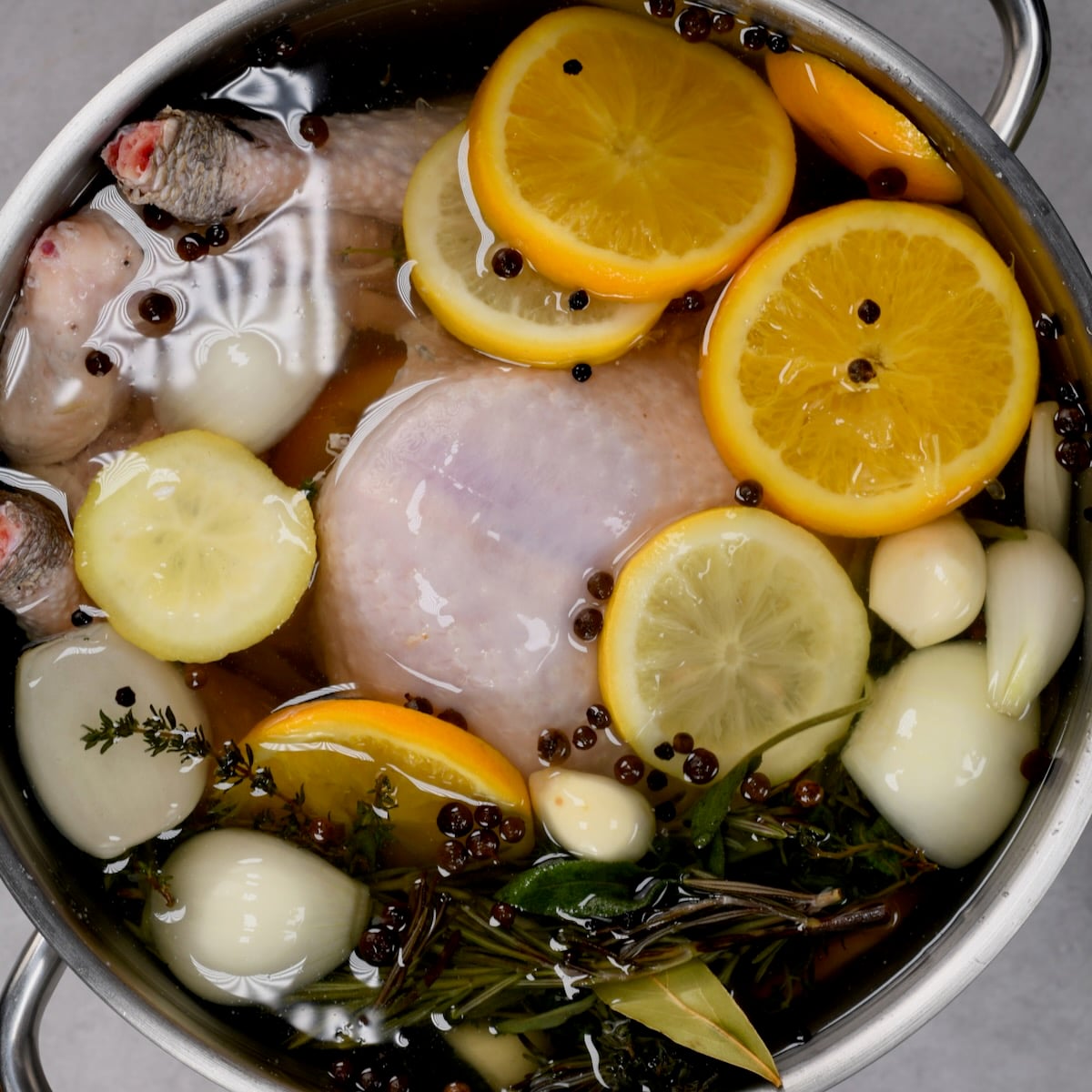
The Foolproof Turkey Brine Secret for Moist, Flavorful Meat
Year after year, the holiday season brings with it the universal quest for the perfect roast turkey. Yet, despite our best efforts, many home cooks grapple with the disappointment of dry, lackluster meat. What if there was a simple, almost magical technique that guaranteed a turkey so moist and bursting with flavor, your guests would be begging for the recipe? Enter the world of turkey brining – your ultimate Thanksgiving insurance policy and a game-changer for any poultry dish.
Brining your turkey is a straightforward process that consistently delivers succulent, tender meat, even if you accidentally leave it in the oven a few minutes too long. It’s the secret weapon of professional chefs and seasoned home cooks alike, transforming an ordinary bird into an extraordinary centerpiece. Forget the days of bland, dry turkey; with our foolproof turkey brine recipe, every bite will be a testament to juicy perfection.
What Exactly is a Turkey Brine, and Why Does it Work Wonders?
At its core, brining means submerging your turkey in a salt water solution, often infused with herbs, spices, and aromatics, for a period of time before roasting. This method is specifically known as *wet brining*. But what exactly is happening during this "spa treatment" for your turkey, and why is it so effective?
The magic lies in a scientific process called osmosis, coupled with the unique properties of salt. When the turkey is immersed in the brine, the salt in the solution begins to denature the proteins in the turkey's muscle fibers. This means the proteins unwind and relax, losing some of their tightly coiled structure. As they unwind, they create tiny spaces within the muscle tissue, allowing the turkey to absorb and hold onto more moisture than it would naturally.
Think of it like tiny sponges within the meat expanding and soaking up the flavorful liquid. This absorbed moisture isn't just plain water; it's the savory, herb-infused brine itself. During roasting, while some moisture will inevitably escape, the turkey starts with a much higher moisture content, making it incredibly resilient against drying out. This guarantees a remarkably juicy result that’s consistently tender from breast to thigh.
Beyond moisture retention, brining is an exceptional way to infuse your turkey with deep, aromatic flavors. The salt helps carry these flavors – from fragrant sage and thyme to bright citrus zest and pungent garlic – directly into the meat. While the most intense flavor will concentrate near the surface and in the skin, a well-balanced turkey brine recipe ensures that even the deepest parts of the bird receive a subtle, delicious seasoning, enhancing its natural taste without overpowering it.
It’s worth noting that an alternative, *dry brining*, involves rubbing the turkey with salt and seasonings and letting it rest uncovered. While also effective, our focus here is on the wet brine method, celebrated for its robust moisture infusion and ease of flavor customization.
Crafting Your Perfect Turkey Brine Recipe: The Basic Ratio and Beyond
The foundation of any great turkey brine recipe is a simple yet crucial ratio: **4 quarts (1 gallon) of water to 1 cup of kosher salt**. This proportion is essential for achieving the right salinity – enough to tenderize and flavor without making your turkey excessively salty. It's imperative to use **kosher salt** here, as its larger crystal size and lack of anti-caking agents make it dissolve evenly and provide a less harsh, more consistent flavor than iodized table salt.
Once you have your basic salt and water solution, the real fun begins: customizing your brine with aromatics, herbs, and spices to create a flavor profile that perfectly complements your meal. Here are some popular and incredibly delicious additions to elevate your
turkey brine recipe:
* **Fresh Herbs:** Sage, rosemary, and thyme are classic choices, evoking warm, autumnal notes. Their essential oils infuse beautifully into the brine.
* **Citrus:** Halved oranges, lemons, or tangerines add a bright, zesty counterpoint to the savory flavors. The zest contributes significantly to the aroma.
* **Aromatics:** Crushed garlic cloves, halved onions, peppercorns, and bay leaves are excellent for building a deeper, more complex flavor base.
* **Sweeteners:** A touch of brown sugar, maple syrup, or even apple cider can add a subtle sweetness that balances the salt and helps promote beautiful caramelization on the turkey skin during roasting. Be mindful not to overdo it, as too much sugar can lead to overly dark skin.
For a classic holiday turkey, we love a combination of fresh sage, orange slices, a few sprigs of rosemary, and whole black peppercorns. This blend creates an incredibly festive aroma that fills your kitchen and imparts a subtle, elegant flavor to the meat and, most notably, the skin.
Step-by-Step: Preparing Your Brine Solution
1. **Boil a Portion:** Start by bringing 1 quart of your total water to a boil in a medium pot.
2. **Dissolve Salt & Infuse:** Add the kosher salt to the boiling water, stirring until it is completely dissolved. Then, add any hardier aromatics like whole peppercorns, bay leaves, citrus halves, or chopped onions. Allow them to simmer for a few minutes to extract their flavors. If using delicate fresh herbs like sage or rosemary, you can add them towards the end of this step.
3. **Cool Down:** Remove the pot from the heat. Stir in the remaining 3 quarts of cold water. This rapidly brings the temperature of the brine down. It's absolutely crucial that the brine is completely cooled – ideally to refrigerator temperature or at least lukewarm – before you add your turkey. Adding a turkey to warm brine poses a significant food safety risk. To speed up the cooling process, you can even add a few handfuls of ice to the solution.
Brining Your Turkey Safely and Successfully: Essential Tips
While the concept of a turkey brine recipe is simple, a few critical considerations will ensure your success and, most importantly, food safety.
* **Check Your Turkey's Label First:** This is perhaps the most vital step. Many turkeys sold in supermarkets are already "enhanced," "pre-brined," or "self-basting." If the label states it's "kosher," "enhanced with a saline solution," or "injected," then you absolutely **do not need to brine it yourself.** Brining an already brined turkey will result in an overly salty, potentially mushy bird. Look for turkeys labeled simply as "natural" or "organic" – these are usually the best candidates for home brining.
* **Partially Frozen is Fine:** Don't stress if your turkey is still a little icy when it's time to brine. As long as it's mostly thawed, it can go straight into the chilled brine solution. The cold brine in the refrigerator will continue the thawing process safely.
* **The Right Container and Fridge Space:** This is often the biggest logistical challenge! You'll need a container large enough to fully submerge your turkey in the brine. Options include a large stockpot, a clean food-grade bucket, or even a specialized heavy-duty brining bag. Disposable brining bags are particularly handy as they can often be placed in a crisper drawer, saving valuable shelf space in your refrigerator. Regardless of your choice, ensure you have ample fridge space cleared out – a brining turkey is surprisingly voluminous.
* **Brining Duration:** The general rule of thumb for a whole turkey is to brine it for **12 to 24 hours**. For smaller turkeys (under 12 lbs), 12-18 hours might suffice, while larger birds (20+ lbs) can benefit from the full 24 hours. Avoid brining for much longer than 24 hours, as this can lead to an overly salty taste and a slightly mushy texture.
* **Post-Brining Prep:** Once your turkey has finished its brine bath, remove it from the solution and discard the brine. It's crucial not to reuse the brine. Pat the turkey thoroughly dry with paper towels, both inside and out. A dry skin is key to achieving that coveted crispy, golden finish when roasted.
* **Skip the Extra Salt:** Remember, your turkey has already absorbed plenty of salt from the brine. When seasoning before roasting, **do not add any additional salt.** Stick to pepper, herbs, and butter or oil for the skin.
* **Roast as Usual:** After brining and drying, you can roast your turkey using your favorite method and recipe. The brining process enhances the turkey's natural qualities; it doesn't change the cooking technique. For more insights on achieving that perfectly juicy bird, check out our guide on
Unlock Juicy Flavor: Your Easy Guide to Perfect Turkey Brine.
Beyond Thanksgiving: Embracing Brining Year-Round
While the turkey brine recipe is synonymous with Thanksgiving, the technique is far too valuable to be reserved for just one holiday. The principles of brining apply beautifully to other cuts of poultry and even some pork.
Think about applying a scaled-down version of this same brining technique to your weeknight meals. Brining chicken breasts, bone-in chicken thighs, or even a whole chicken before roasting or grilling can dramatically improve their moisture and flavor. Lean cuts like pork chops also benefit immensely from a short brine, preventing them from drying out and ensuring tender results. Even game hens or Cornish hens can be transformed with a quick brine bath. It’s an easy way to elevate everyday meals into something special, proving that the secret to incredibly juicy meat is always within reach. If you're looking specifically for holiday advice, our
Easy Thanksgiving Turkey Brine: Guarantee Juicy Holiday Roasts offers more targeted tips.
Conclusion
Embracing the turkey brine recipe is one of the simplest yet most impactful steps you can take to elevate your holiday feast or any roasted poultry. It's a genuine "insurance policy" against dryness, guaranteeing a bird that is not only beautifully moist but also infused with deep, complex flavors. With a basic understanding of the salt-to-water ratio, a willingness to experiment with aromatics, and adherence to a few crucial safety tips, you'll unlock the secret to a consistently juicy, unforgettable turkey. So, this year, skip the stress of dry meat and embrace the foolproof power of brining – your taste buds (and your guests) will thank you.